Slab Leak Detection & Repair
Pinpoint a failing line under the concrete floor of a Mesa home and compare spot repair, reroute and repipe.
Your usage charge spiked, a stain appeared with no pipe overhead, or the meter dial creeps while everything is off. Detection traces the escaping water so repairs start at the right spot, not at a guess. When water is actively spreading, phone the all-hours line rather than holding out for a daytime appointment.
Phone in, describe what you notice, and a nearby contractor gets arranged.
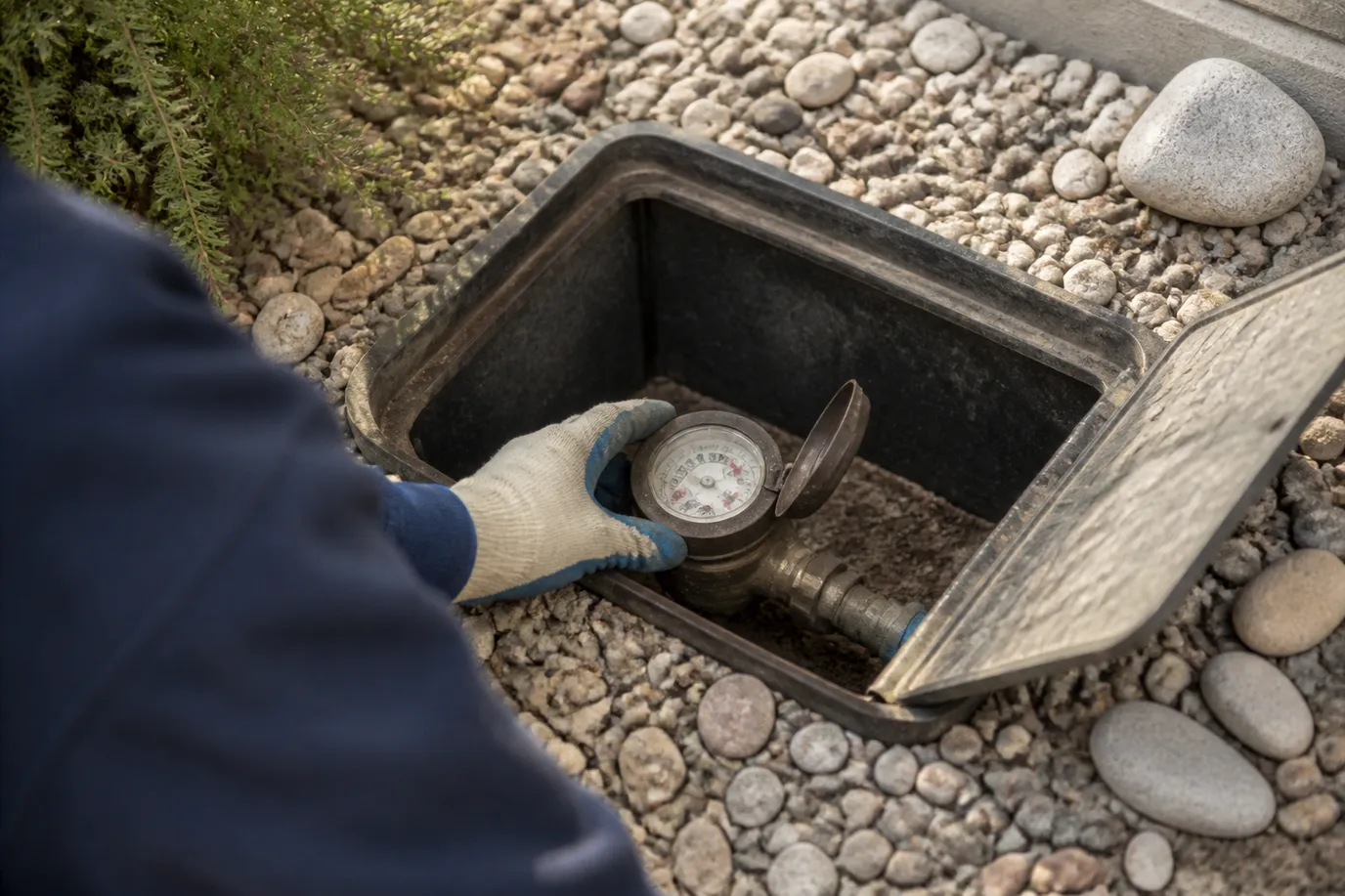
Start at the meter. Shut off the faucets, the ice maker and the sprinkler controller, then watch the small flow indicator on the meter. A tiny triangle or dial that spins means water is moving somewhere.
Next, check the toilets. A worn toilet flapper can quietly lose a lot of water. Add food coloring to the tank, wait fifteen minutes and check the bowl for color.
A good search works in stages instead of guessing. The technician closes the house valve and watches the pressure, then shuts branch valves one by one to learn which run is losing water.
Once the stretch is known, the plumber can listen along the pipe, scan with a thermal camera or pressure test a single run. Equipment differs from crew to crew, so ask which method is planned and why it suits your pipe.
Concrete slabs carry most Arizona houses, which puts a good share of the plumbing under the floor rather than in an accessible crawlspace. Slow leaks are therefore harder to spot and easy to overlook.
Summer watering also muddies the picture. Irrigation can double a bill on its own, so run the meter test with the controller off before blaming a pipe.
Detection is typically billed for the time and method needed to isolate the leak, while the repair is quoted on its own. Four things move the figure.
Ask whether the search fee counts toward the repair when one contractor does both jobs. Policies differ, so get the answer in writing.
In a slab home, supply lines under the floor, fittings behind a tub, the line to a water heater and the pipe feeding an ice maker are common spots. Outdoors, irrigation valves and the buried line from the meter account for most of the rest.
Waste lines and supply lines misbehave in different ways. A drain drips only while water flows through it, so a stain that spreads after a shower suggests a drain.
You should hear where the leak sits, what the pipe is made of and what fixing it takes. A bad shutoff valve is a short job. A line below the slab can be handled several ways.
Ask whether the quote covers the pipe only or the opening as well. Patching drywall, tile or concrete is often a separate job, and knowing that early avoids surprises.
Hidden water rarely announces itself loudly. Any of these deserves a closer look.
The EPA's WaterSense program reports that the average household's leaks can waste more than 10,000 gallons of water a year, and that ten percent of homes have leaks wasting 90 gallons or more per day. That scale is why a meter check is worth doing before any bill dispute.
Detection starts with questions, then a meter check. Tell the dispatcher when the bill rose, where the damp spot is and whether the water is hot or cold. Those answers decide which tools make sense.
Acoustic gear listens for the sound of water escaping a pressurized line. Thermal cameras show temperature changes behind finishes. A pressure test isolates one branch and shows whether it holds. Gear varies by company, so ask what will be used and the reason.
A good result narrows the problem to a small area so the opening is small too. Ask if the location will be marked and if you get the finding in writing, since an insurer or landlord may want it.
Cost depends on access, pipe material and how many branches must be tested. The dispatcher can explain how the visit is charged before anyone is sent. Ask whether the detection fee is separate from any repair, because some owners prefer to fix the leak themselves or hire a different crew.
Same-day availability depends on the schedule that day. If water is running and cannot be stopped, say so on the first call, then close the main valve. For a slab problem, the slab leak page goes deeper, and a buried line to the house is covered on the water line page.
Slow seeps, buried plastic pipe and faults that open only under pressure can slip past a first visit. Share what was already tried. A second visit should change the method, not repeat the first.
A few minutes of preparation shortens the visit.
A fourplex or a small commercial unit has several branches, and the symptom may show far from the source. Mention how many units share a meter and which tenant noticed the problem.
For shops and offices, ask about after-hours access and whether the work can be scheduled around business hours. Commercial needs are summarized on the commercial plumbing page.
Pinpoint a failing line under the concrete floor of a Mesa home and compare spot repair, reroute and repipe.
Fix or renew the supply pipe running from the street meter to your house, including trenchless options.
Extract water, dry the structure and rebuild after a leak, a burst pipe or storm intrusion.
With every fixture off, read the meter. A moving indicator means water is going somewhere. A sudden bill jump, a musty smell or a warm floor patch also points to a leak.
In many cases. The crew can isolate a run, listen along it and scan for heat, then open just the one spot. Faults that appear only under pressure take more time.
Treat it as urgent if water is spreading or reaching outlets. Close the house valve and phone. A weep can wait a day, yet damage builds the longer it goes.
Some policies cover locating a sudden leak, but many exclude the cost of replacing worn pipe. Review yours and speak with the insurer before work.
Yes, the phone is staffed overnight. Explain where the water appears and how the meter dial behaves, and the dispatcher arranges a nearby contractor. Shut the house valve first if it is within reach, and ask when a crew can arrive.
Very likely. First rule out the ice maker, sprinklers and softener cycling. If the dial still moves, call for detection and close the house main in the meantime.
The cost depends on access, pipe type and how many branches need testing. The dispatcher can explain how the visit is charged before a crew is sent.
Tell the dispatcher what was tried. A repeat search should change approach, for example by isolating branches or pressure testing the buried pipe.
Ask when you call. Some homeowners prefer to repair it themselves, and the finding and the repair can be handled as separate steps.
Same-day service depends on the day's schedule. Call and say how fast the water is running so the dispatcher can prioritize.
If you can reach the house valve, close it. Then call and say what you see, and the dispatcher explains what comes next.
Service area centered on Mesa and nearby Maricopa County cities.